News · · 6 min read
Coming out of stealth
Four years ago we bet that every machine would be built, tested, and trained first in a virtual world. Today we’re showing what that bet has become.
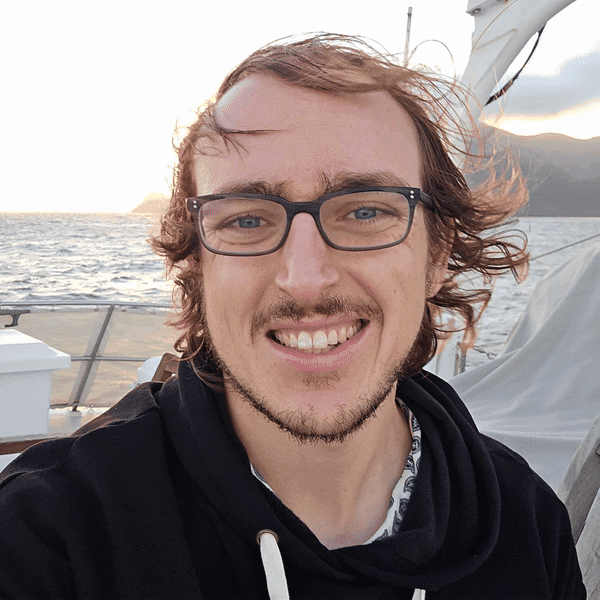 Ian GlowCEO & Founder
Four years ago (nearly to the day) I incorporated Zeromatter.
It all started with a single bet: everything that people do when building autonomous machines for the real world (designing, training, testing, validating, etc.) would be faster, safer, and better to do first, and almost entirely, in a virtual world.
Today, we’re coming out of stealth to show what that bet has become, and why we believe every machine will be built, tested, and trained in Zeromatter.
Why did we start Zeromatter?
The world is becoming autonomous. Cars, planes, drones, factories, and the robots in our warehouses and homes are learning to act on their own. This increasing embodiment of AI will reshape every aspect of our lives. And in many ways it already has.
Any autonomous system, whether it’s a self-driving car, a humanoid robot, or an airliner, must be tested a billion times over before it’s trusted to move through our world on its own. That scale can’t happen in the real world, and there are scenarios so dangerous to test that you shouldn’t try to.
That’s why we built Zeromatter.
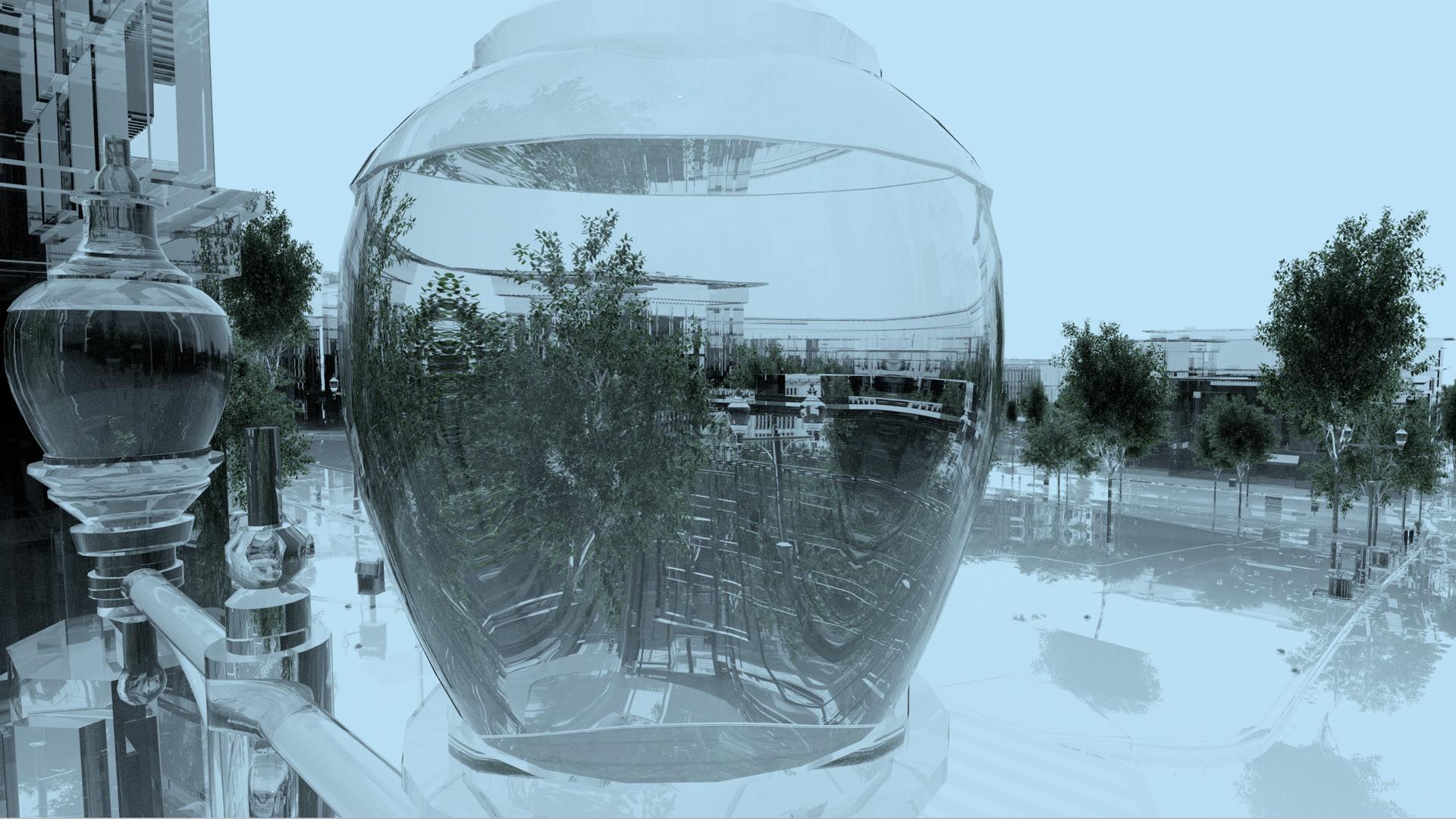
We build worlds so close to reality that the machines inside them can’t tell the difference. Every scenario can be rehearsed again and again, until it’s provable the product is safe before it ever meets the real world.
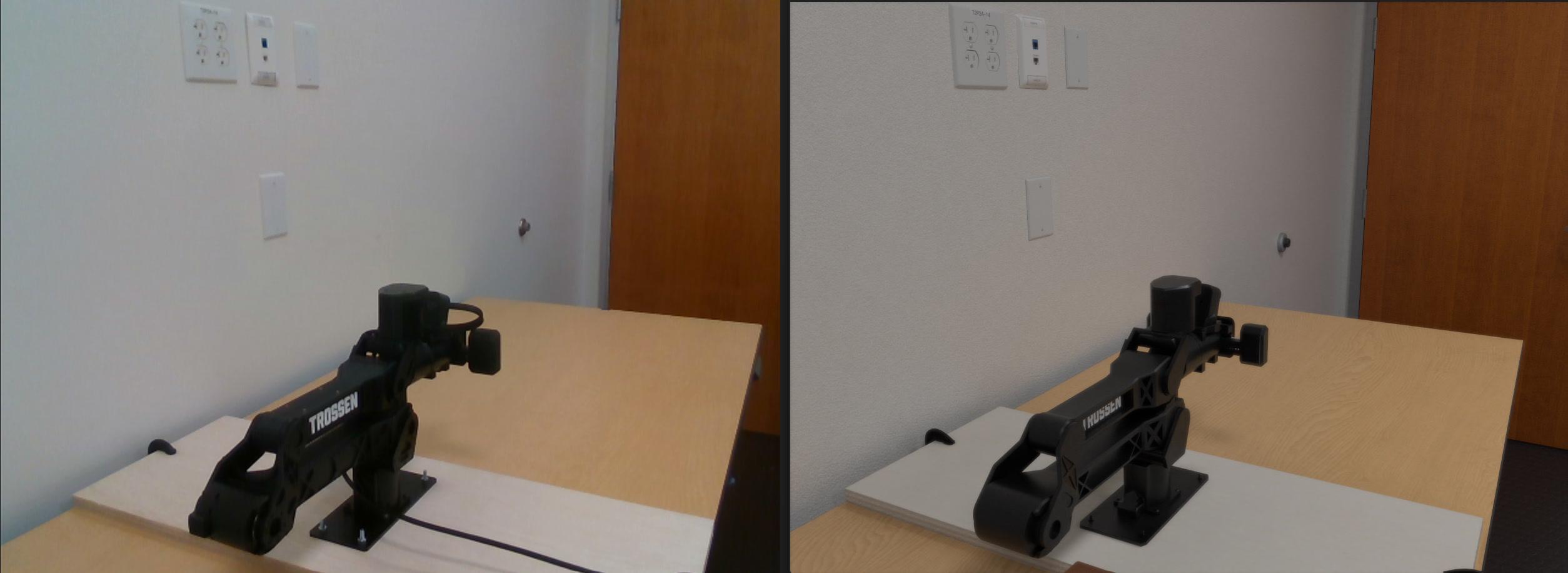
My cofounders, Axel Gneiting (former head of Autopilot Simulation) and Michael Hosticka (former head of Autopilot Simulation Content), and I learned a hell of a lot about simulation during our time at Tesla, and we all felt like we were barely scratching the surface of what was possible. We built a single simulation platform for both Autopilot and Optimus, building the majority of the key pieces from scratch. We used simulated data to fix real-world model performance problems, and paired it with auto-labeling to dramatically cut labeling spend. We got to the point where every code change was tested in full closed-loop simulation, with Autopilot having no clue it was inside one. We presented on this accomplishment at Tesla’s 2021 AI Day, where I experienced my first .
After I left Tesla, I had offers to build simulation teams at many great companies, but something kept pulling me back from saying yes. I had spent so much of my time at Tesla hiring experts, convincing them to work on something that wasn’t the company’s main product, and defending the importance of what I believed was the linchpin for the success of the Autopilot program. Repeating that journey for another company felt like the wrong path. It all came to a head on .
At that moment, I made the decision to bet on myself and build what I felt would define the next era of physical AI and autonomy.
The decision to build it once and for every use case across any vertical.
The decision to bet on a future where engineering is defined by how fast you can move bits, not matter.
The plan was simple. Gather the world’s best simulation experts, build a massive-scale co-simulation platform from scratch, and use it to solve every problem in autonomy.
Easy, right?
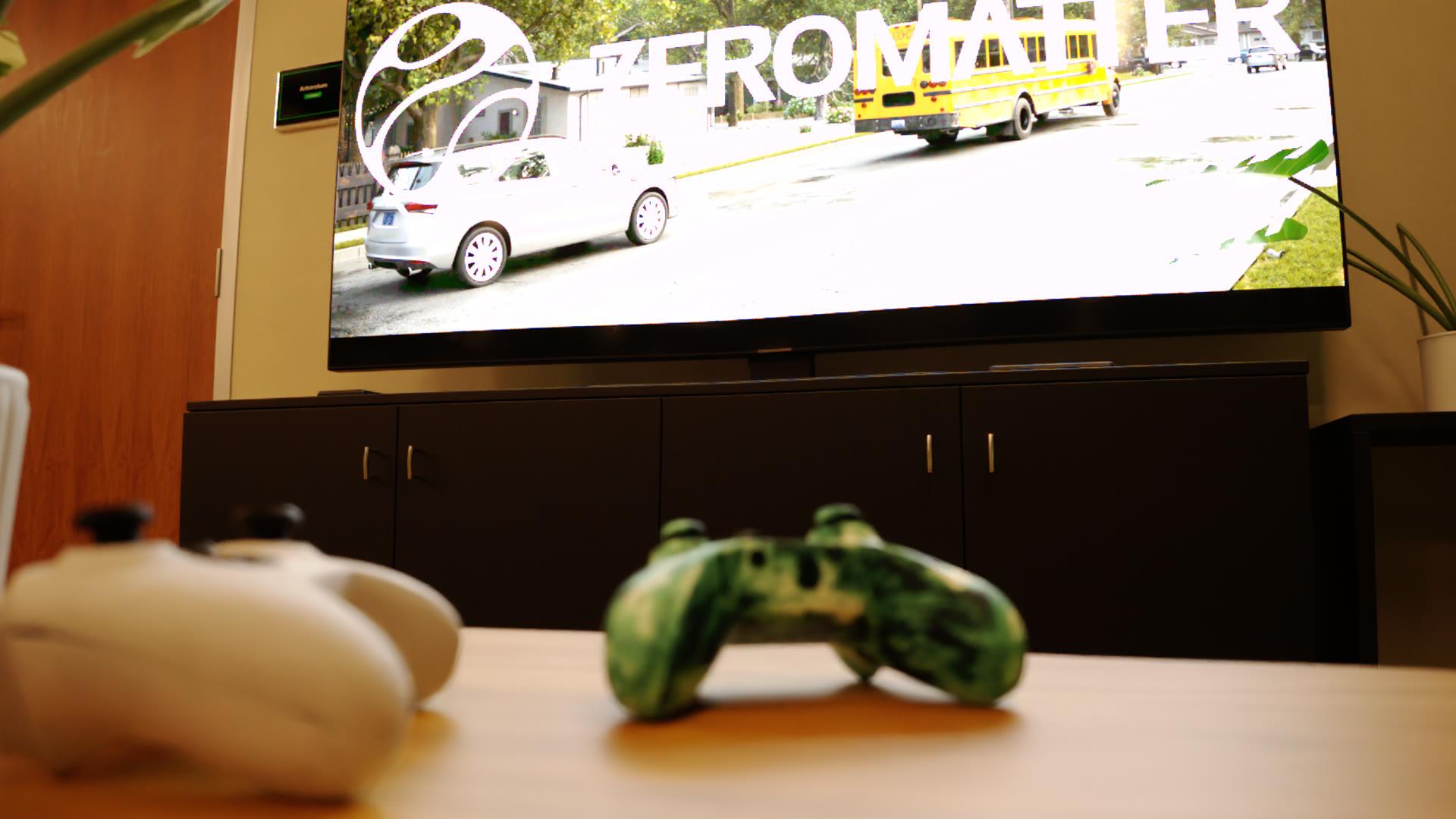
I had a cheat code. I’d worked with incredible humans at Tesla who had since scattered across the industry, as well as many people who had stayed. It was a group of people for whom this would not be their first simulated rodeo. They were experts in their fields and many of them had been burned by companies that underinvested in simulation. They had been left with a deep yearning to prove simulation’s power to accelerate autonomy and physical AI.
The next step was convincing people to bet on our vision, at a time when simulation was far less familiar to venture and a couple of large incumbents seemed to own the market. In April 2023, we closed our with an incredible group of investors who have helped us nonstop throughout this journey: Villi Iltchev (now of Category Ventures) from Two Sigma Ventures (now Deviation Capital), Joe Malchow from HNVR, Darren Liccardo (founding director of Tesla’s Autopilot team) and Rouz Jazayeri from Catapult Ventures, Ray Tonsing from Caffeinated Capital, and Aneel Ranadive from Soma Capital, along with angel checks from Guillermo Rauch (Vercel) and Boris Sofman (Bedrock Robotics). Shortly after, we brought the team together and started building in stealth.
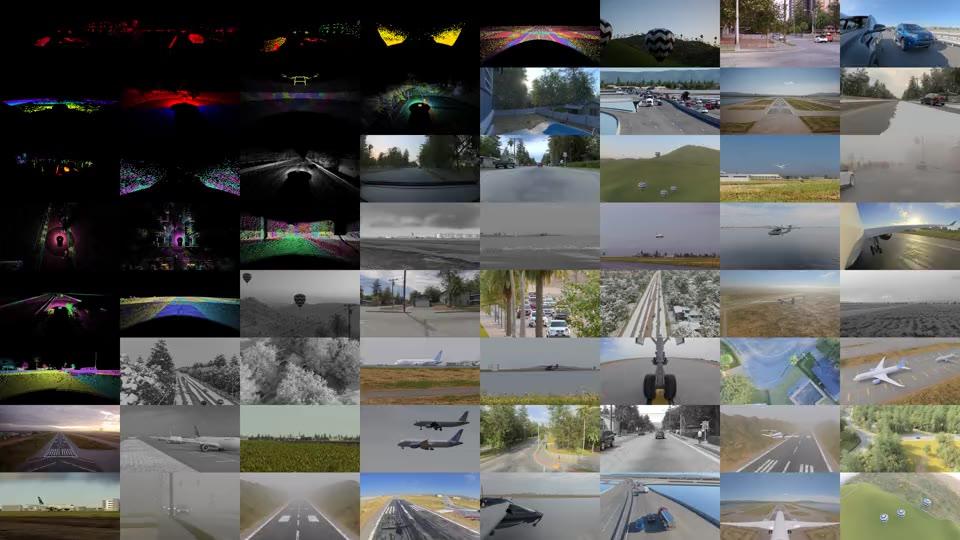
We moved so much faster than I would have expected. We are driven by a passion to prove that if you have a reflection of reality in a box, you can make any product better, cheaper, safer, and faster. We built the world’s best sensor simulator and began showing it along with our simulation infrastructure and environment generation to potential customers.
Geoff Lewis of Bedrock Capital saw us as a narrative violation and a non-consensus bet. The world had not caught up with our ambition and belief that you can solve autonomy and physical AI without real-world data (and the world still hasn’t). In April 2024, Bedrock led our Series A, with major participation from Beckett Jackson of AE Industrial Partners and Pebblebed Ventures, as well as continued investment from our existing investors.
From there, we planted design-partner flags across as much of the autonomy spectrum as we could: autonomous vehicles, aerospace, drones, and eVTOL, all on a single platform.
Will Reed (major investor in Baseten, Mercury, Scale AI, and many more) and Coen Armstrong of Spark Capital spent an increasing amount of time with our team and eventually preempted our in March 2025. Will’s experience in ML infrastructure and data pipelines combined with Coen’s ability to dive deep into any problem have made them incredible partners on this journey. The B also brought in more best-of-the-best partners, including Lithos Capital (formerly Linse Capital) and Stephanie Terpening of Generation Investment Management (the firm co-founded by Al Gore).
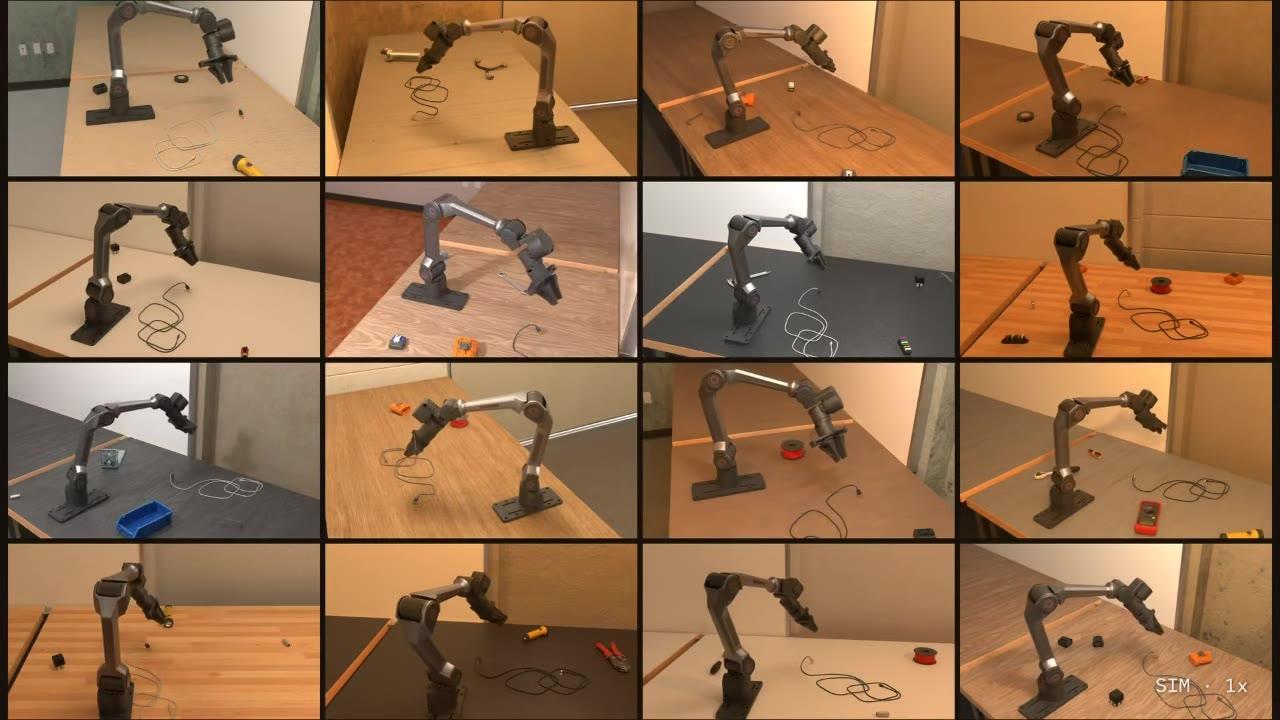
After the Series B, we kept pushing the boundaries of our platform. Robotic manipulation was the next frontier, and no existing physics engine could simulate it with the fidelity the space needed. So, just as we had with rendering, we built our own.
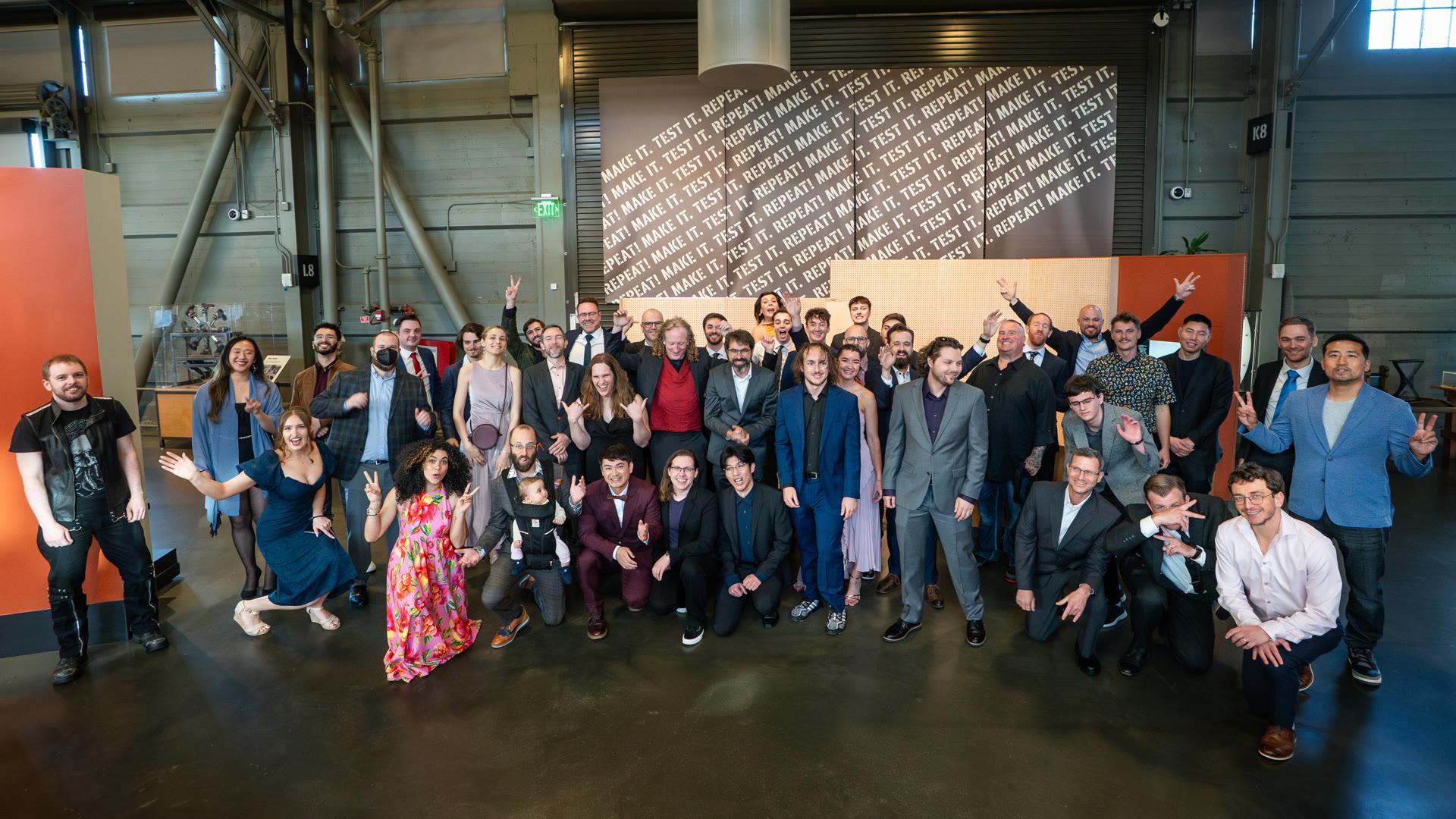
Now, four years later, our team has grown from 13 to over 130, we’ve raised $160M at a $1.1B valuation, and we’re coming out now because the world has caught up to the problem and we are ready to help others solve theirs. Physical AI is becoming embodied faster than anyone predicted, and simulation has gone from something companies think they might need to something they know they can’t succeed without.
And something even bigger has changed. Our users used to be engineers. Increasingly, they’re agents. Agents that can reason through almost any problem, but they can’t move atoms. They can’t drive a test track or wait for a runway incursion. Simulation is the only way they can touch the physical world, and the better the simulator, the more they can solve.
What comes next
This is just our beginning. In many ways, it feels like we just closed our seed round, and the opportunity in front of us has only grown.
Today, the limit on building any complex product is knowing it will work, and for physical AI, it’s getting the data to train it. Remove those limits, and everything from fully automated surgery to a pilotless electric commuter plane becomes attainable.
We’re entering the future everyone who grew up reading sci-fi wanted to live in. It will bring good and bad on a massive scale, and simulation can tip those scales toward the good. Toward a world where no planes crash, no cars collide, and no ships hit bridges. A world of true engineering abundance where humanity can build any machine it needs to solve its problems.
Today, we are showing the world a bit of what we do, but make no mistake: we’re just getting started.